From reporting to reasoning: Getting enterprise data ready for AI agents
From reporting to reasoning: Getting enterprise data ready for AI agents
The AWS Quick User Group DC Founding Meeting explored practical strategies for preparing enterprise data for AI agents, including modernizing legacy architectures, preparing structured data for agent workflows, and using no-code tools to automate routine tasks.
AWS Quick User Group DC inaugural meetup recap
Many organizations are asking how to move beyond static reporting dashboards and begin using generative and agentic AI. But before an AI agent can answer questions or help teams act, it requires a trusted data foundation.
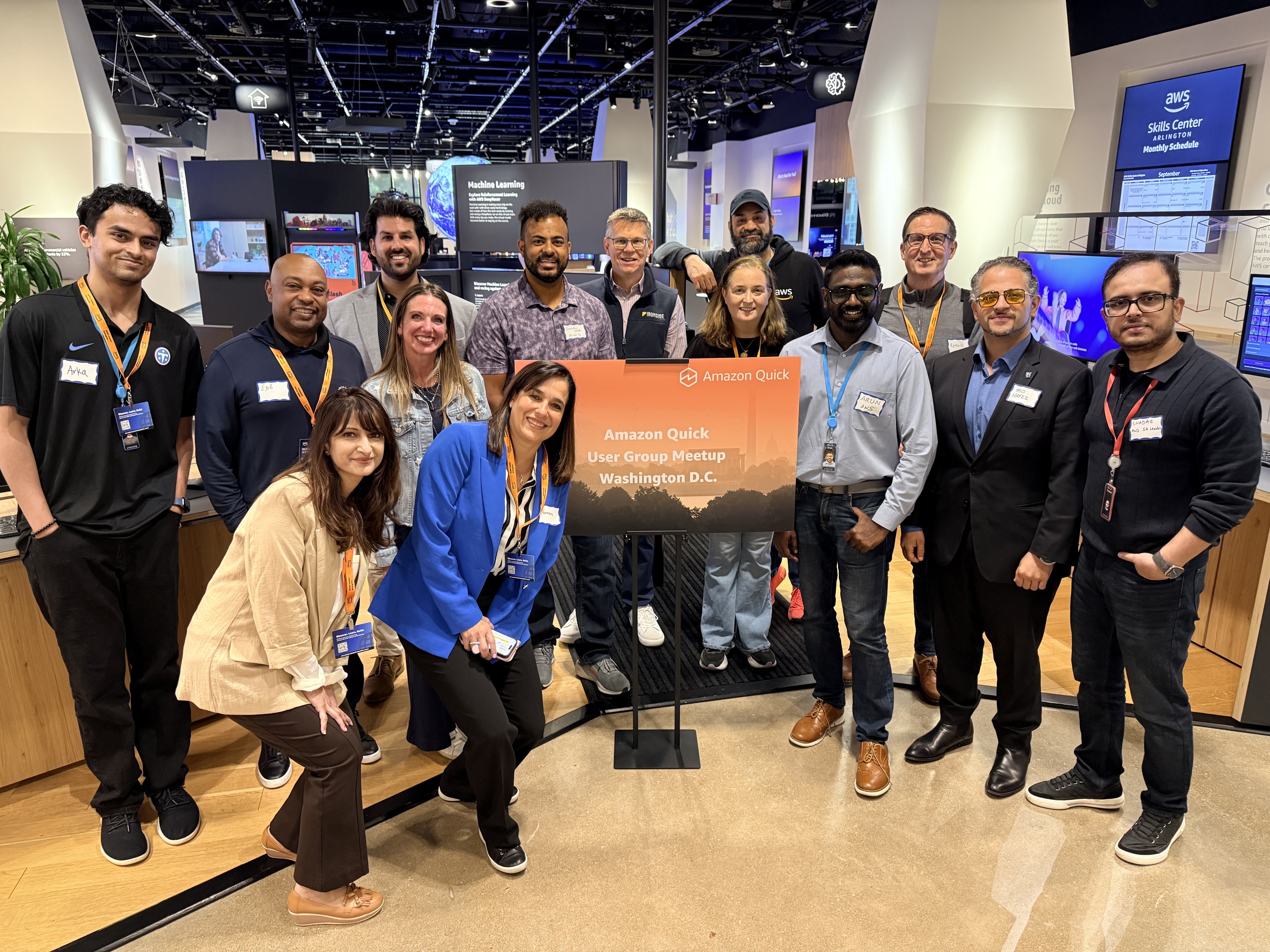
Figure 1: AWS Quick User Group DC inaugural meetup, October 2026
On Wednesday, October 7, 2026, data leaders, developers, and practitioners gathered at the AWS Skills Center in Arlington, Virginia, for the AWS Quick User Group DC meetup. The session brought together founders, software engineers, and enterprise leaders, among them a team from Financial Independence Group (FIG). Attendees explored practical strategies for modernizing legacy architectures, preparing structured data for agentic workflows, and automating routine tasks with no-code tools.
User groups like this provide a forum for peer-to-peer learning and collaborative problem-solving. The event offered attendees an inside look at how organizations are putting AWS Quick to work to drive productivity gains.
What’s new with AWS Quick: Agents, skills, and connectors
For many in the room, this meetup was a first look at what agentic AI looks like in practice with AWS Quick.
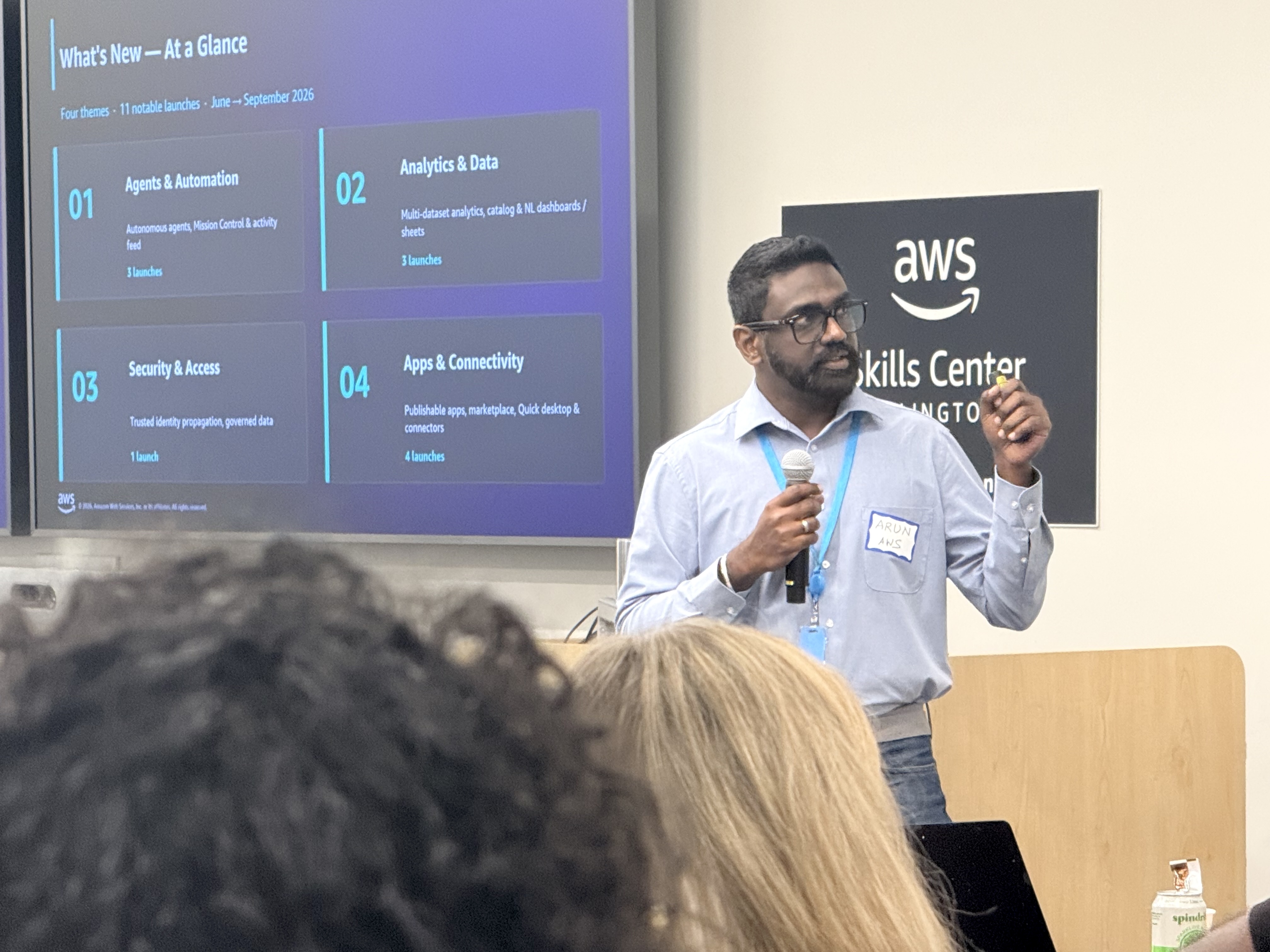
Figure 2: Arun Ganesan presenting what’s new with AWS Quick
The meetup kicked off by exploring the latest product capabilities across AWS Quick, focusing on its evolution into a unified AI assistant for work. Rather than functioning solely as a traditional business intelligence visualization tool, AWS Quick unifies analytics, natural-language interaction, and multi-step task orchestration.
- AWS Quick agents and skills: Turn natural-language questions into multi-step reusable actions that aid in decision making across enterprise data.
- Third-party connectors: AWS Quick includes built-in integrations that connect tools like Salesforce, Slack, Google Drive, and Microsoft 365, breaking down data silos.
- Unified workspace: A cohesive environment that bridges research, automated visual generation, and business artifact creation (presentations, documents, and spreadsheets) directly where users work.
Real-world innovation: Moving to AI analytics and agentic systems
The core of the day highlighted a real-world customer journey showing how one enterprise is rethinking its data architecture so AI agents can work from governed, trusted data.
Financial Independence Group: Innovating at the pace of technology
Vanessa Gonzalez, Vice President of AI at Financial Independence Group (FIG), shared how FIG keeps pushing past what’s possible today. They’re adopting new tools and platforms as technology changes, and building toward AI-powered analytics and agentic systems on top of their data with AWS Quick.
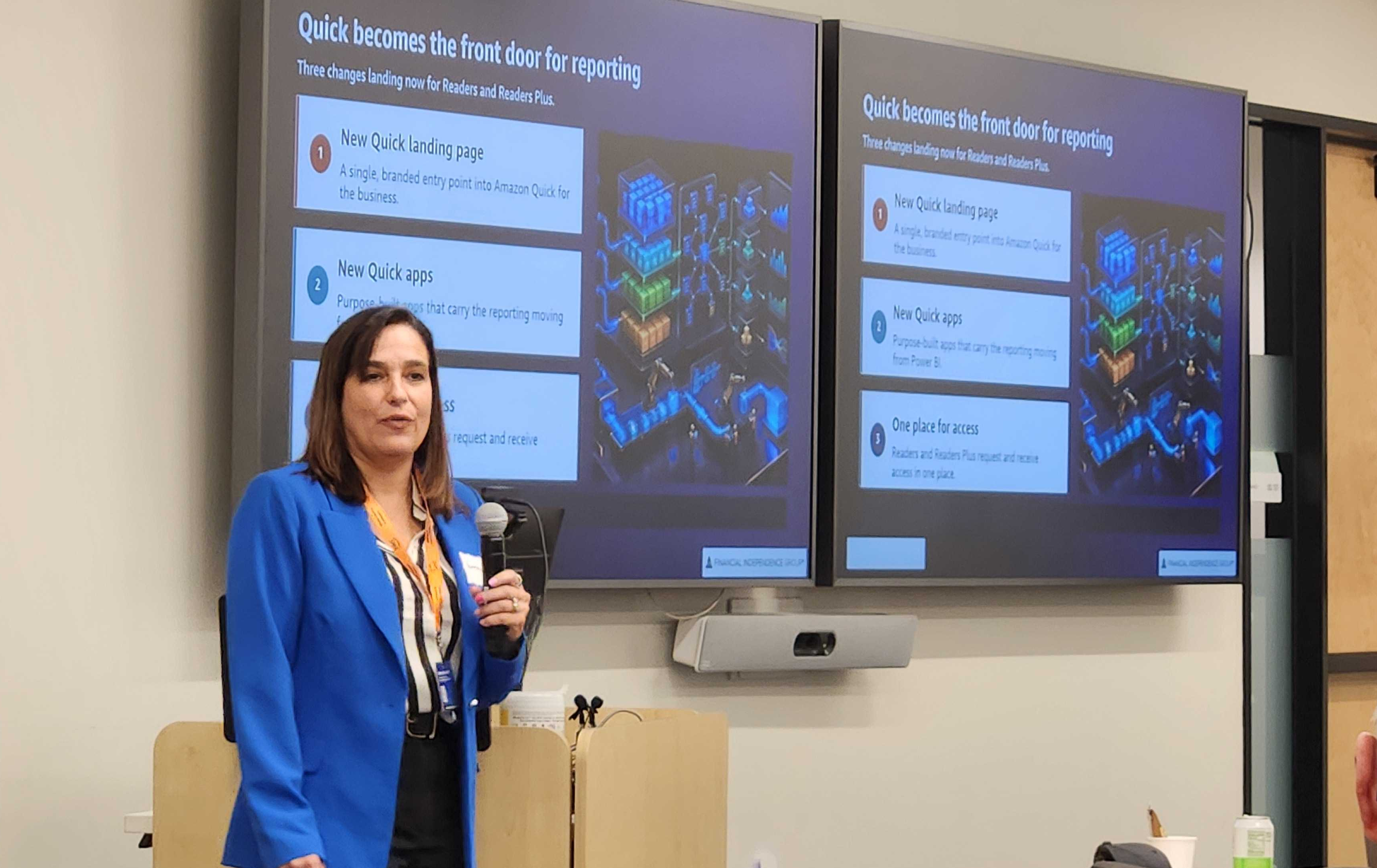
Figure 3: Vanessa Gonzalez, Vice President of AI at FIG, presenting
Technology is changing fast, and FIG wants to be at the front of that change. Building on its existing analytics, FIG moved to AWS Quick, a platform that brings AI into its dashboards, reporting, and analytics. AWS Quick is FIG’s “single front door” for enterprise analytics. It brings together structured data such as customer relationship management (CRM) systems, databases, and finance data. It also pulls in unstructured content such as internal knowledge bases, policy documents, and collateral, through a governed data layer. That gives FIG a base for AI-powered insights and agentic workflows built on its own data.
- The AI analytics loop: Moving from reporting on what already happened to a continuous cycle: Ask → Analyze → Automate → Act.
- Centralized discovery: An analytics portal organized by business area (sales, operations, marketing, commissions), with built-in AI chat assistants so teams can talk directly to their documents and datasets.
- Democratized insights: Self-service exploration tools for non-technical business users, plus a learning hub that builds prompt engineering and AI skills across teams while keeping proper governance in place.
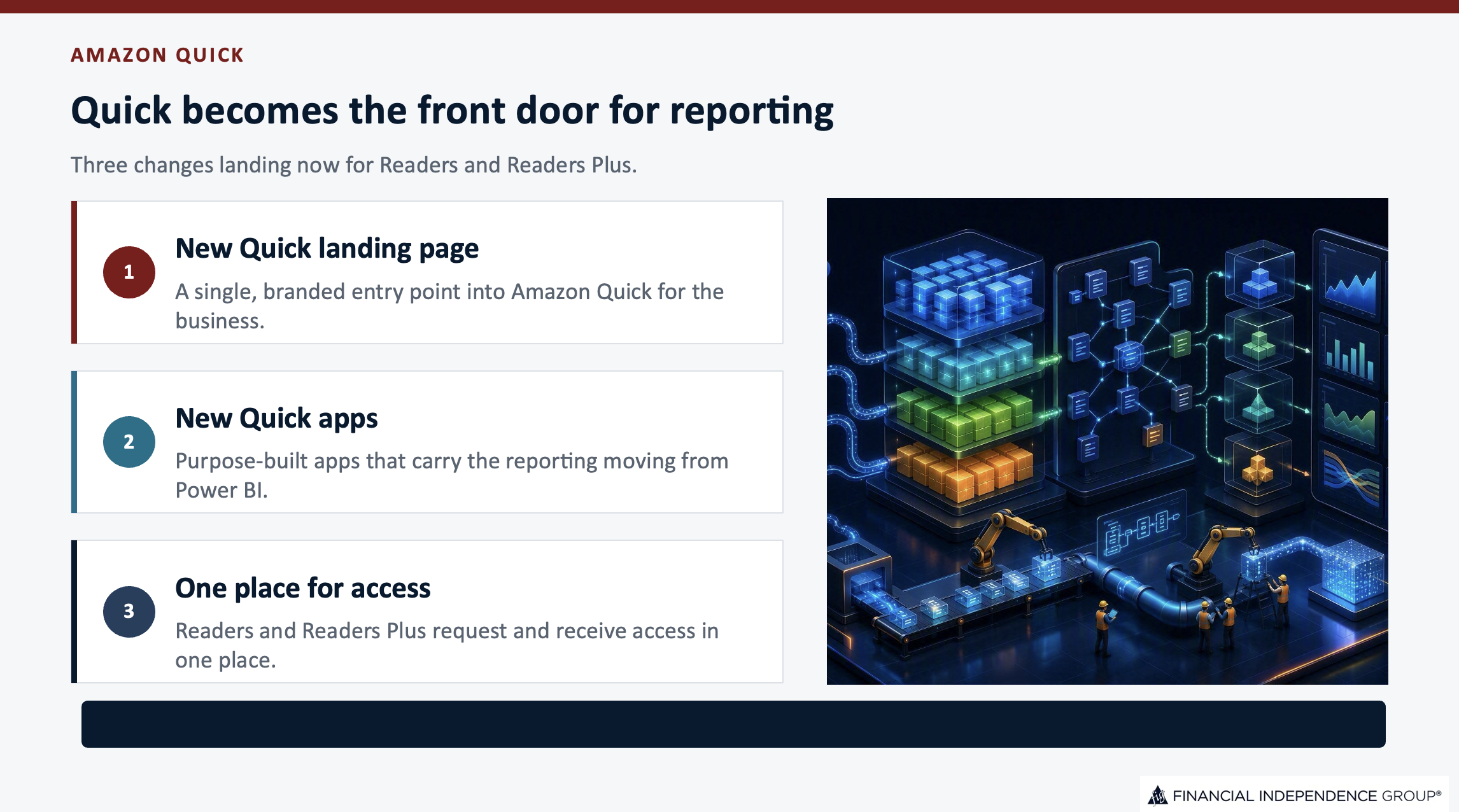
Figure 4: FIG’s vision for its future with AWS Quick
Hands-on: Building apps and no-code flows
Attendees worked through two hands-on exercises:
- Build an AWS Quick app in 50 minutes: Every attendee in the room successfully designed and launched a custom application in AWS Quick. This showed how fast non-technical users and developers alike can deploy purpose-built decision tools without writing code.
- AWS Quick Flows workshop: A subset of six participants dove deeper into workflow automation. They built multi-step, event-triggered flows that handle repetitive data tasks, replacing manual reporting handoffs with automated, repeatable pipelines.
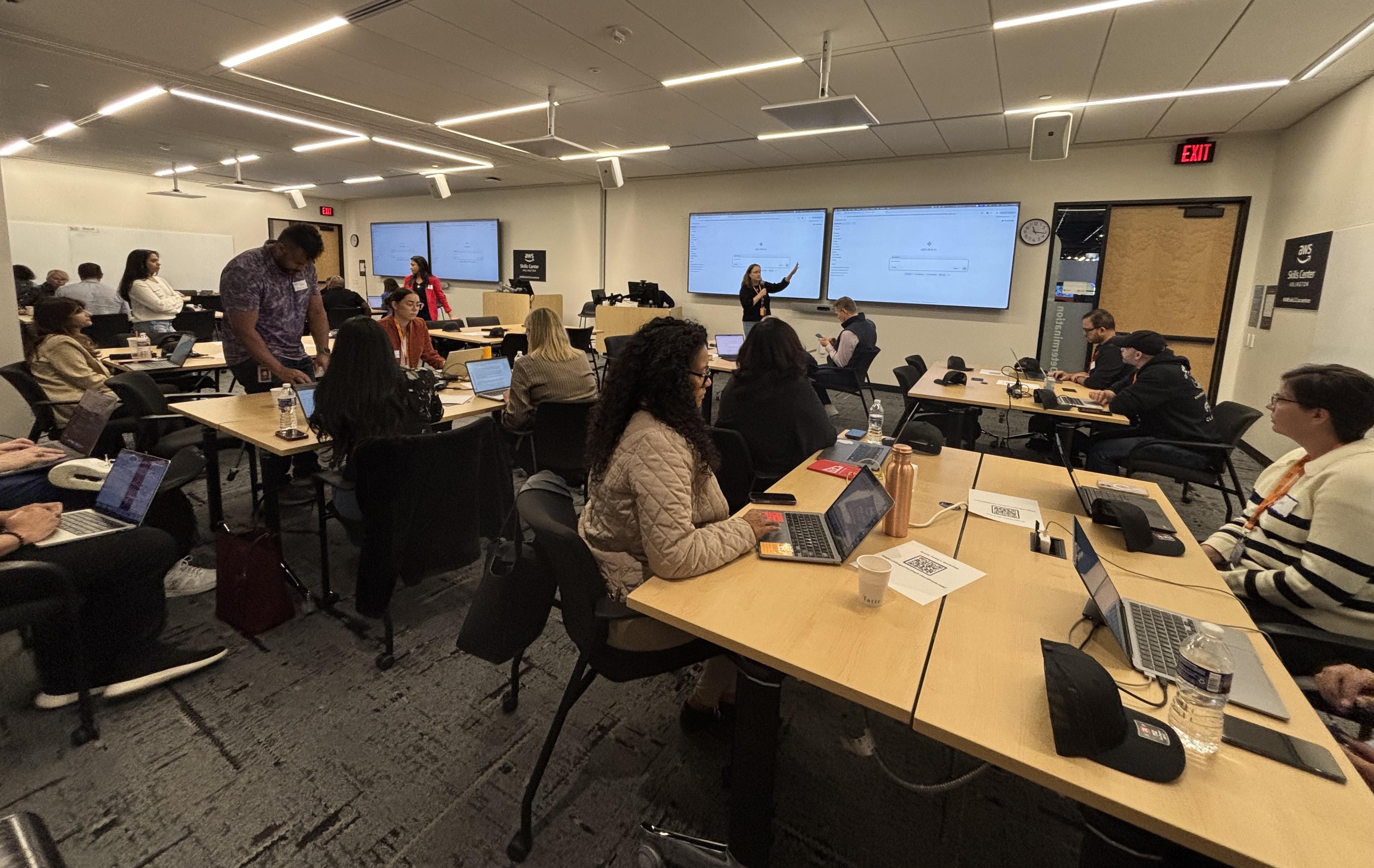
Figure 5: The DC user group building apps together
One of the key takeaways is how quickly teams can go from an idea to a working solution with AWS Quick. New ideas now take hours or even minutes to build, not weeks or months.
Looking ahead and getting involved
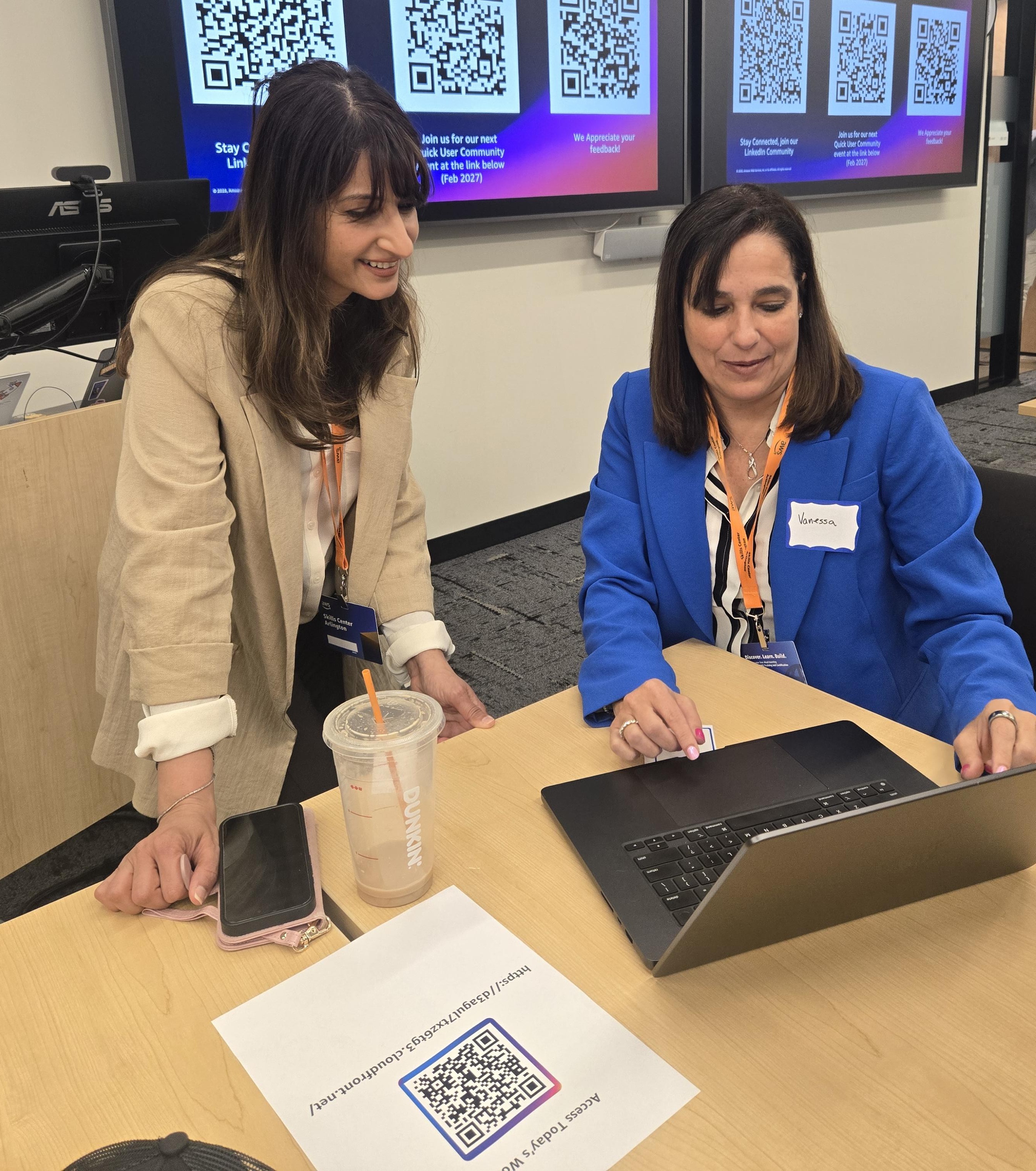 Figure 6: Attendees during the closing group discussion |
The event concluded with an open group discussion where attendees shared practical observations on bridging the gap between legacy infrastructure and generative AI. As organizations move toward agentic architectures, the consensus from the DC user group was clear: successful AI adoption isn’t only about selecting a foundation model. It starts with intentional data design, unified access, and empowering teams to build practical automations. Building fast isn’t only about tools. It also means learning from each other, which is why events like this matter. |
Next steps
Ready to try it yourself? Start with the AWS Quick product page and the AWS Quick user guide, then connect a data source you already use and ask your first question. From there, try building an app or an AWS Quick Flows automation for a task your team repeats every week.
Join the community
- Connect with peers: Stay up to date on upcoming meetups and presentations by joining the AWS Quick User Group on LinkedIn and participating in the AWS Quick Community.
- Explore upcoming sessions: Keep an eye out for details on our next DC-area meetup, featuring detailed hands-on architectural sessions and customer lightning talks.
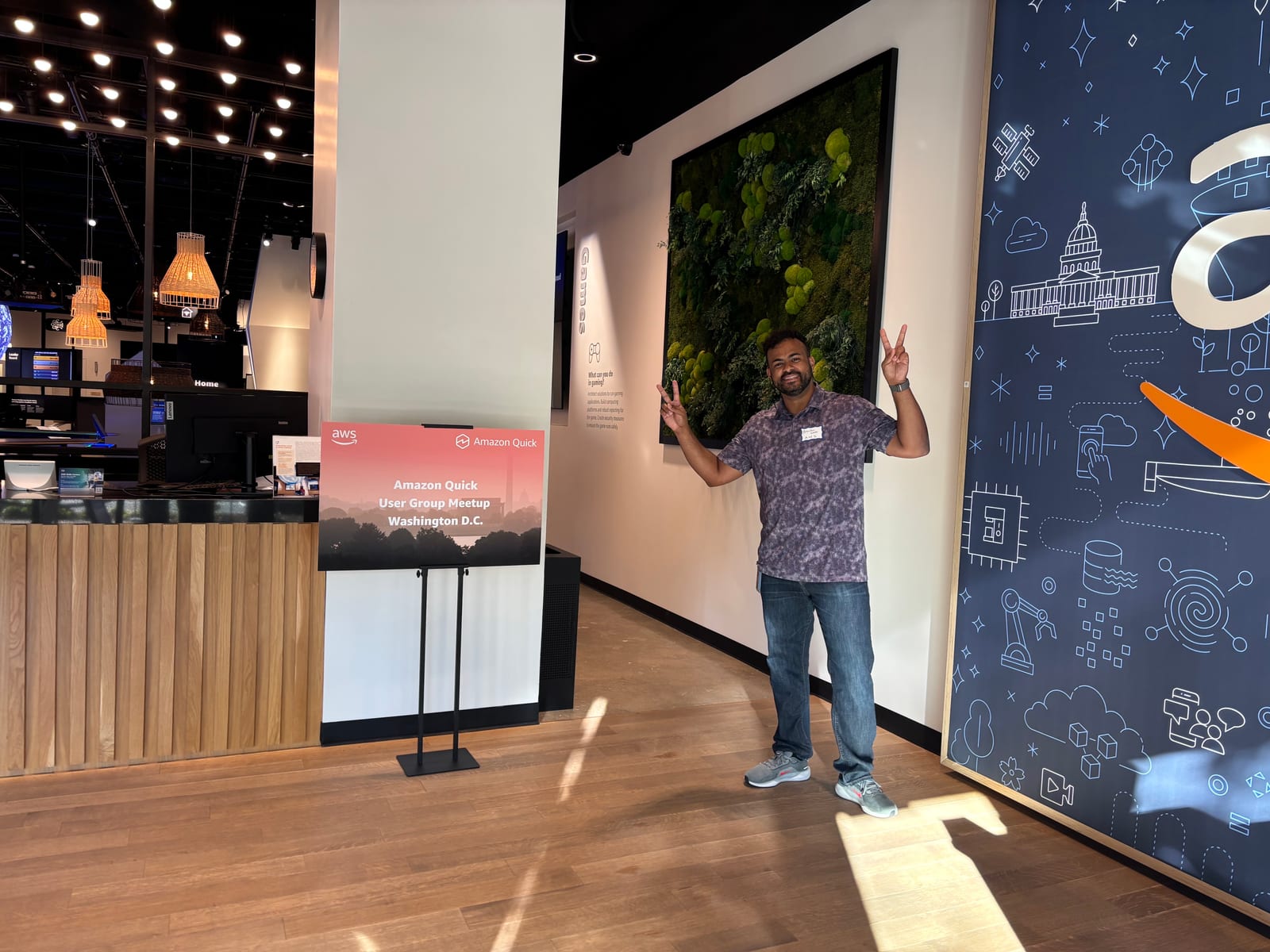
About the authors

Jane Ridge
Jane is a Senior Solutions Architect at AWS with over 20 years of technology experience. She specializes in cloud platforms, AI and machine learning (ML), and enterprise infrastructure, and helps customers connect business goals with technology outcomes. Jane has spoken at national conferences, including the Grace Hopper Celebration, the Society of Women Engineers annual conference, and the AWS AI Innovators Summit series, and mentors teams on AI adoption and enterprise cloud transformation.

Brandon Webb
Brandon is a Senior Solutions Architect at AWS who is internationally ranked for team building, leadership, and process improvement. He enjoys working with data/technology to understand and interpret problems, then implement solutions that create real mission value. He brings that same approach to his customers, his colleagues, and the teams he builds.

Pragya Purohit
Pragya is a Customer Solutions leader at AWS who holds a Masters in Electrical Eng from the University of Maryland. Her team leads the delivery of critical business outcomes for customers across several industries like ISVs and Digital Native. She connects business outcomes to technology roadmaps and empowers transformation of people and processes to maximize return on investments. Prior to joining AWS, Pragya has held tech leadership positions in tech startups, Private Equity where she led the customer success function.

Brandon Walton
Brandon leads the Cloud Operations engineering team at Laerdal Labs DC, where he oversees multi-region AWS environments powering high-availability healthcare learning platforms. Specializing in cloud architecture, infrastructure automation, and platform reliability, he focuses on scaling resilient systems and boosting developer productivity. Outside of architecture, Brandon is an active mentor and educator, dedicated to coaching junior engineers and fostering technical growth across engineering teams.
Source: AWS Machine Learning Blog · aws.amazon.com